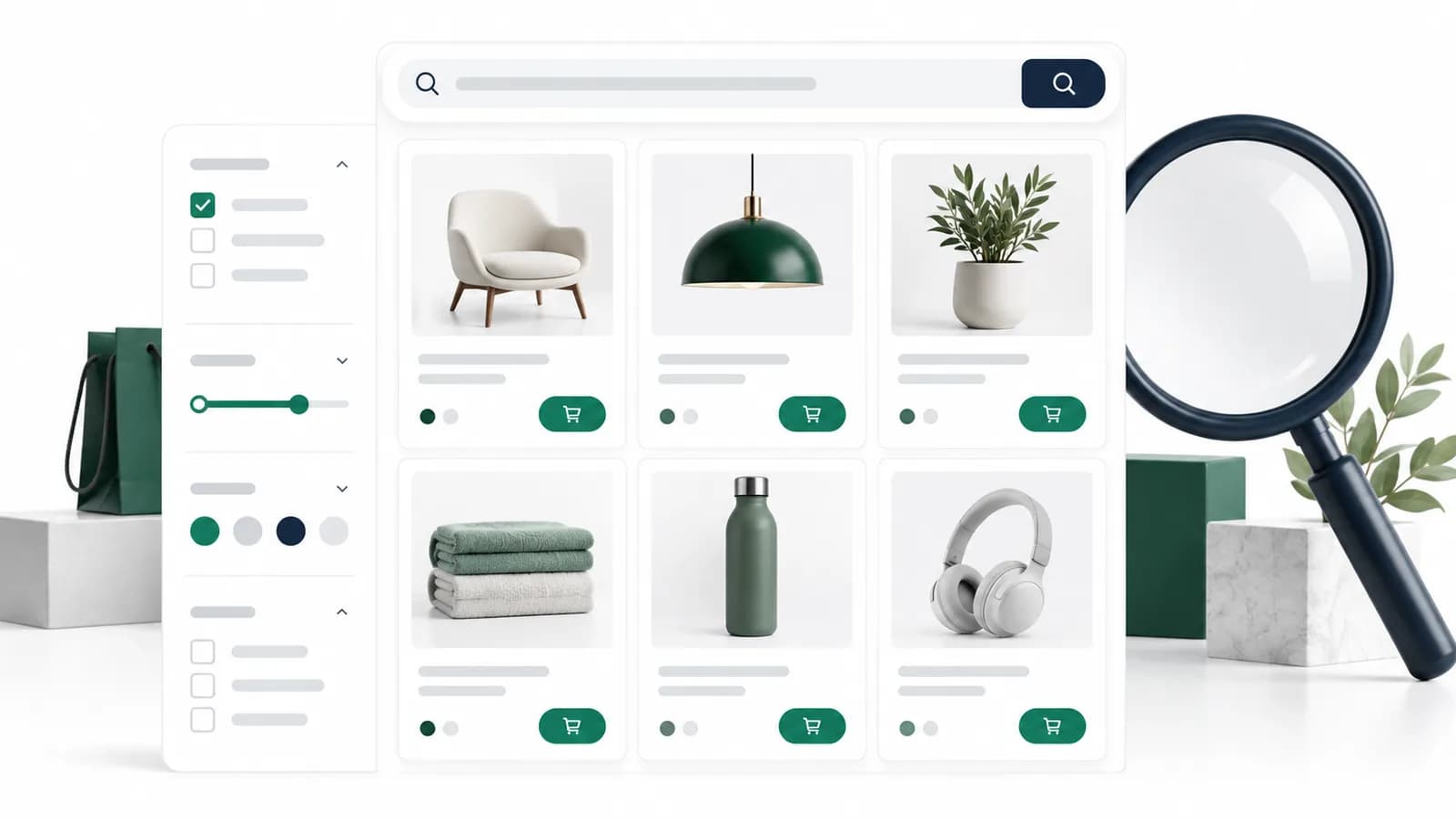
Beauty catalogs combine product type, skin or hair concern, format, shade, finish, ingredient information, size, and claims. A flat list of product names quickly becomes difficult to browse, filter, localize, and publish to channels. A category model with controlled attributes makes the catalog easier to merchandise and maintain.
A practical top-level structure
Most beauty catalogs can begin with product families such as skincare, makeup, haircare, fragrance, bath and body, tools and accessories, and gift sets. The exact structure should follow the way customers shop and the range the business actually sells.
Keep product family separate from concern, ingredient, finish, and routine step. For example, “Skincare > Cleansers” is a product type. “Sensitive skin”, “fragrance-free”, and “morning routine” are useful attributes or merchandising collections.
Skincare attributes
- Product type: cleanser, toner, serum, moisturiser, mask, sunscreen, treatment.
- Skin concern: dryness, oiliness, sensitivity, redness, blemishes, uneven tone.
- Skin type: dry, oily, combination, normal, sensitive.
- Format: balm, cream, gel, lotion, oil, mist, stick, powder.
- Size, net content, application area, routine step, and usage frequency.
- Controlled claims and compliance-reviewed ingredient data.
Makeup attributes
Makeup shoppers often need shade and finish before they need brand or campaign information. Model product type, shade family, undertone, finish, coverage, waterproof status, and applicator separately. A foundation’s shade should be a variant or controlled option where inventory and price differ; a general finish may remain a product attribute.
Haircare and fragrance attributes
Haircare may need hair type, concern, routine step, hold, texture, and treatment type. Fragrance may need concentration, scent family, notes, gender positioning if used by the business, size, and set contents. Do not force every merchandising concept into the main category tree.
Claims, ingredients, and compliance
Claims such as “vegan”, “dermatologist tested”, “clean”, or “organic” should be governed values with evidence and an owner. They should not be free-text tags added by individual editors. Store source evidence and review dates where the claim can change.
Keep ingredients structured where filters or legal review need them, but avoid treating an ingredient list as a replacement for approved product content. The same product may need different claims or wording by market.
Build category-specific filters
Do not expose every beauty field on every category. A fragrance shopper may need scent family, concentration, and size. A skincare shopper may need concern, skin type, format, and ingredient. A makeup shopper may need shade, finish, coverage, and undertone.
Use canonical values and synonyms so “moisturizer” and “moisturiser” can support the same discovery experience where appropriate. The product attributes guide explains how to build filters that help people decide rather than overwhelm them.
Support channel publishing
Maintain a source taxonomy, then map it to channel categories and required attributes. Google Shopping, storefront search, and marketplaces may each need different representations. Validate product type, identifiers, price, availability, images, and landing-page data before publishing.
Use the Completeness Checker for required fields and the fashion and apparel PIM guide for broader variant and syndication patterns.
Beauty taxonomy quality checklist
- Every product has one primary product type.
- Shade, size, and pack options are modeled consistently.
- Claims are controlled and evidence-backed.
- Filters are category-specific and mobile-friendly.
- Ingredient and compliance values have owners and review dates.
- Channel mappings and required fields are tested before release.

Structured product categories and attributes in an ecommerce catalog