Electronics brands are in an unusual position on the Digital Product Passport timeline: the category has no ESPR passport date set, while it already carries more product-data regulation than almost any other sector. That combination means the honest answer to “when do we need a DPP” is “not yet confirmed,” but the honest answer to “what data do we need” is “most of it, already, for other reasons.”
No ESPR date, but not unregulated
The Ecodesign for Sustainable Products Regulation (ESPR), Regulation (EU) 2024/1781, works product group by product group through delegated acts. The Commission’s first ESPR working plan, adopted 16 April 2025, names iron and steel, aluminium, textiles, tyres, furniture and mattresses as its priority groups. Electronics and ICT are not named as a first-wave priority, so no ESPR passport date applies yet; check the DPP Product Category Lookup for the current status, since working plans are revised.
What already applies to electronics today
| Rule | Source | What it covers |
|---|---|---|
| Energy labelling | Regulation (EU) 2017/1369 and product-specific rules | Energy class and consumption data for many appliances and electronics |
| EPREL registration | Part of the energy labelling framework | Manufacturers register models in the EU product database before sale |
| Ecodesign for specific products | Product-specific implementing regulations | Repairability, spare parts and durability requirements already apply to some product lines, including certain phones and tablets |
| Right to Repair | Directive (EU) 2024/1799, applying in Member States from 31 July 2026 | Repair information and repair rights for covered goods |
This existing regulatory layer is a genuine head start. If your electronics catalog already reports energy class, is registered in EPREL, and has repairability or spare-parts data for covered models, you already hold a meaningful share of what a future ESPR passport for electronics would likely ask for.
Why electronics data is structurally different from other categories
- Deep component hierarchy. Substance declarations and repairability data often apply at the part level, not just the finished product, which existing ecodesign rules already require to be structured.
- Software and firmware dependencies. A firmware update can change what is true about a product’s function or safety, which needs a rule for whether and when it should trigger a passport update.
- Version and revision control. Electronics products revise more often than most categories, so tracking which record version matches which physical revision matters more here than elsewhere.
- Cross-market technical labelling. Voltage, frequency and certification marks differ by market even for the same base product.
What to prioritise now
- Keep repairability and spare-parts data structured, since it is already requested under existing rules and directly relevant to the Right to Repair Directive.
- Confirm EPREL registration is current for every model that requires it, and treat that data as a reusable source for future passport fields.
- Define a firmware-update trigger rule, signed off jointly by compliance and engineering, for when a software change requires a data update.
- Structure component-level data rather than only product-level summaries, using the eight-domain approach in how to build and audit a DPP-ready data model .
- Watch the working plan, since electronics could be added to a future wave; the category lookup reflects updates as they are published.
Where this fits in the wider picture
For how the ESPR, the Battery Regulation and existing ecodesign rules relate to each other, see how the EU rules fit together . Note that a battery inside an electronics product may still need a battery passport under the separate Battery Regulation (EU) 2023/1542 from 18 February 2027, even while the electronics product itself has no ESPR date. For the timeline across all product groups, see which products need a Digital Product Passport, by product group .
See PIM for electronics brands for how this fits into a broader product data operation.
Frequently asked questions
Do electronics brands need a Digital Product Passport yet?
No ESPR passport date has been set for electronics and ICT. The Commission’s first working plan prioritises iron and steel, aluminium, textiles, tyres, furniture and mattresses, not electronics, though this could change in a future update.
What rules already apply to electronics regardless of the ESPR?
Energy labelling and EPREL registration for covered appliances, existing ecodesign rules requiring repairability and spare parts for some product lines including certain phones and tablets, and the Right to Repair Directive (EU) 2024/1799, applying in Member States from 31 July 2026.
Does a battery inside an electronics product need its own passport?
Yes, if it falls into a covered category. The Battery Regulation (EU) 2023/1542 requires a battery passport from 18 February 2027 for electric vehicle, industrial (over 2 kWh) and light means of transport batteries, independent of whether the electronics product itself has an ESPR date.
Why is electronics data harder to structure than other categories?
Substance declarations and repairability data often need to be tracked at the component level, not just the product level, and software or firmware updates can change what is true about the product, requiring a rule for when that triggers a data update.
What should electronics brands do now?
Keep repairability, spare-parts and EPREL data current and structured, define a firmware-update trigger rule with compliance and engineering, and track the ESPR working plan for any change to electronics’ priority.
Where can I check if electronics have been added to a future ESPR wave?
The DPP Product Category Lookup tracks the current status, expected timing and sources for each product group, updated as the Commission’s working plan changes.

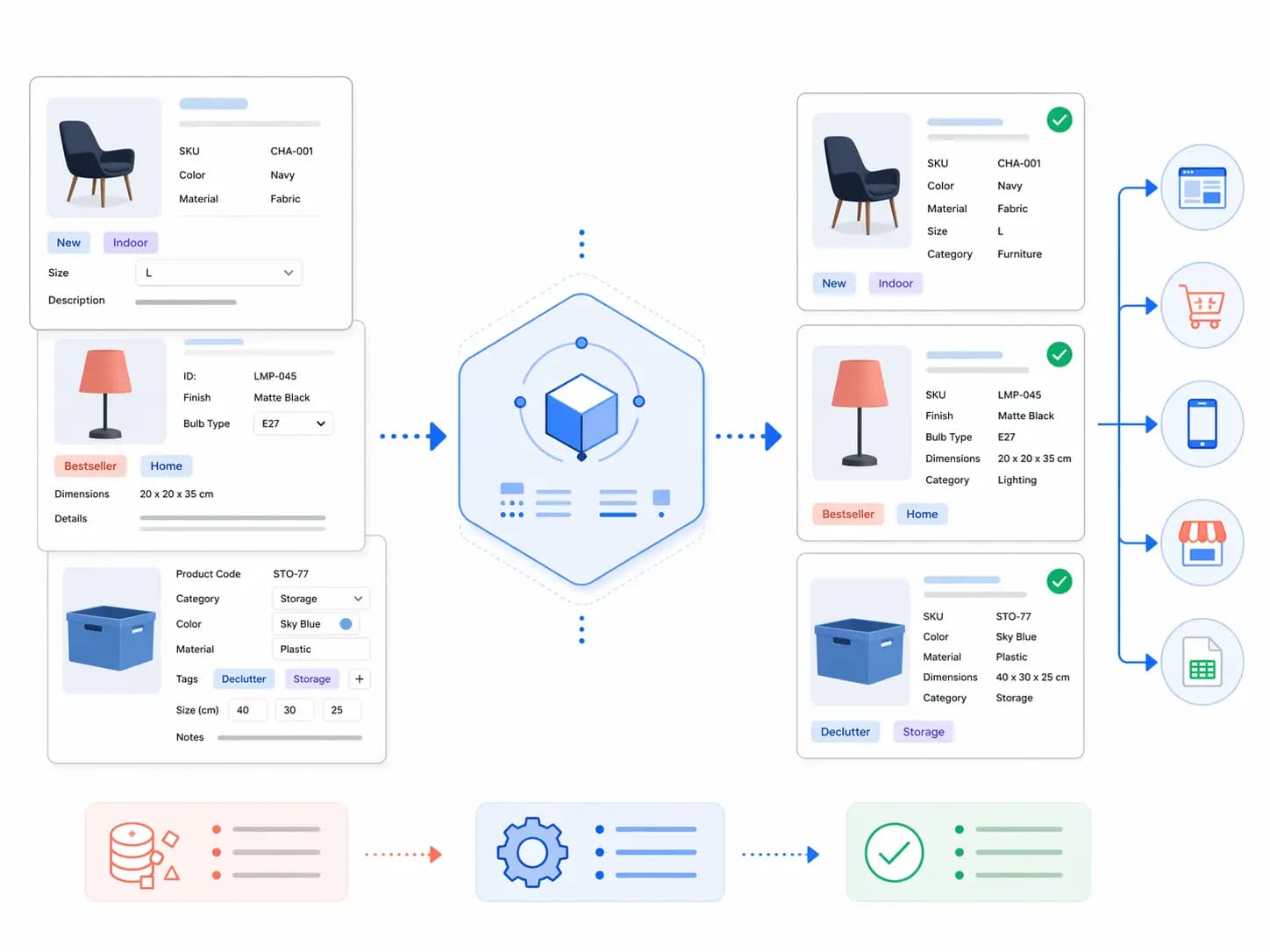
Digital Product Passport data workflow connecting products, materials, suppliers and compliance