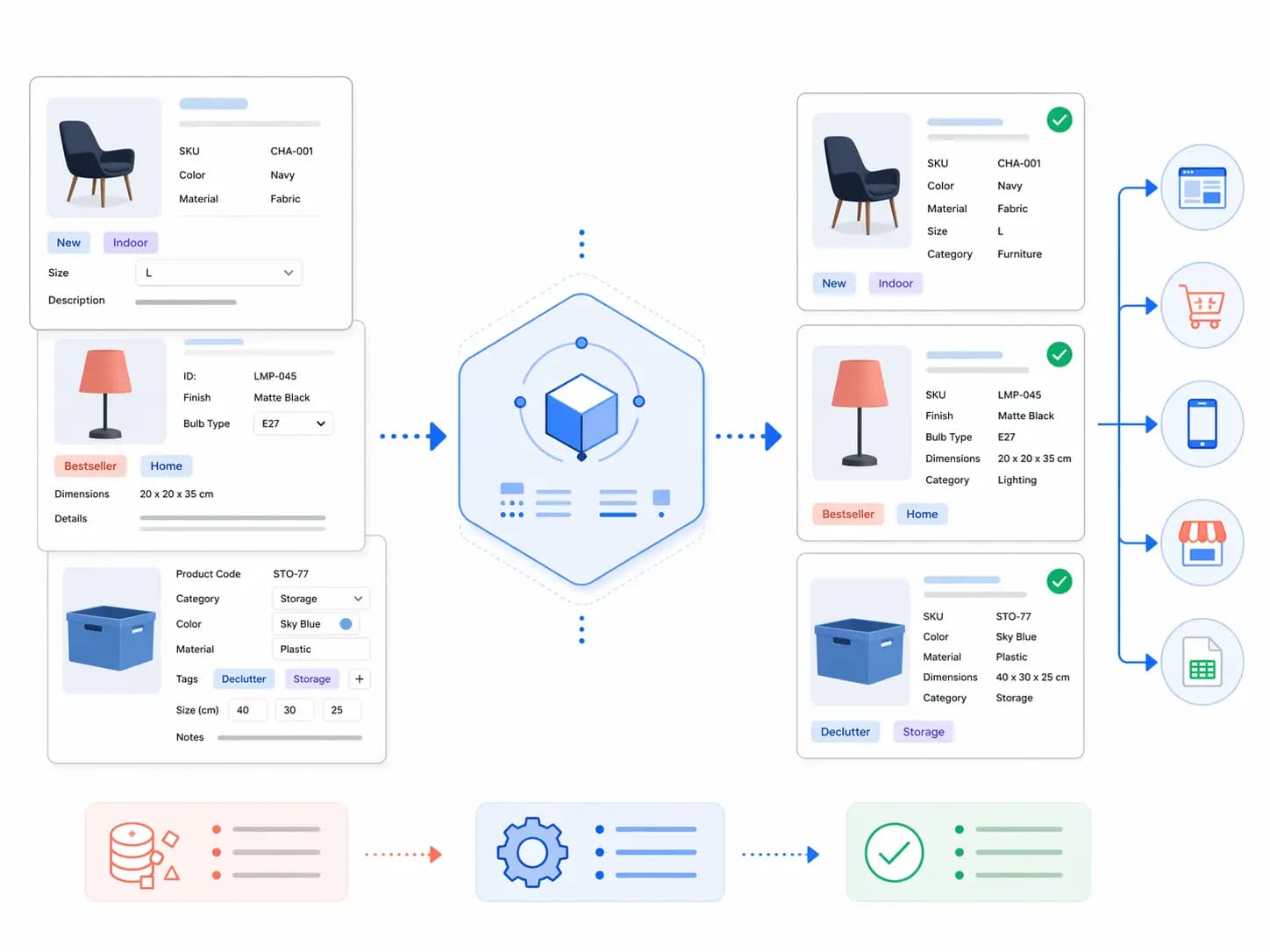
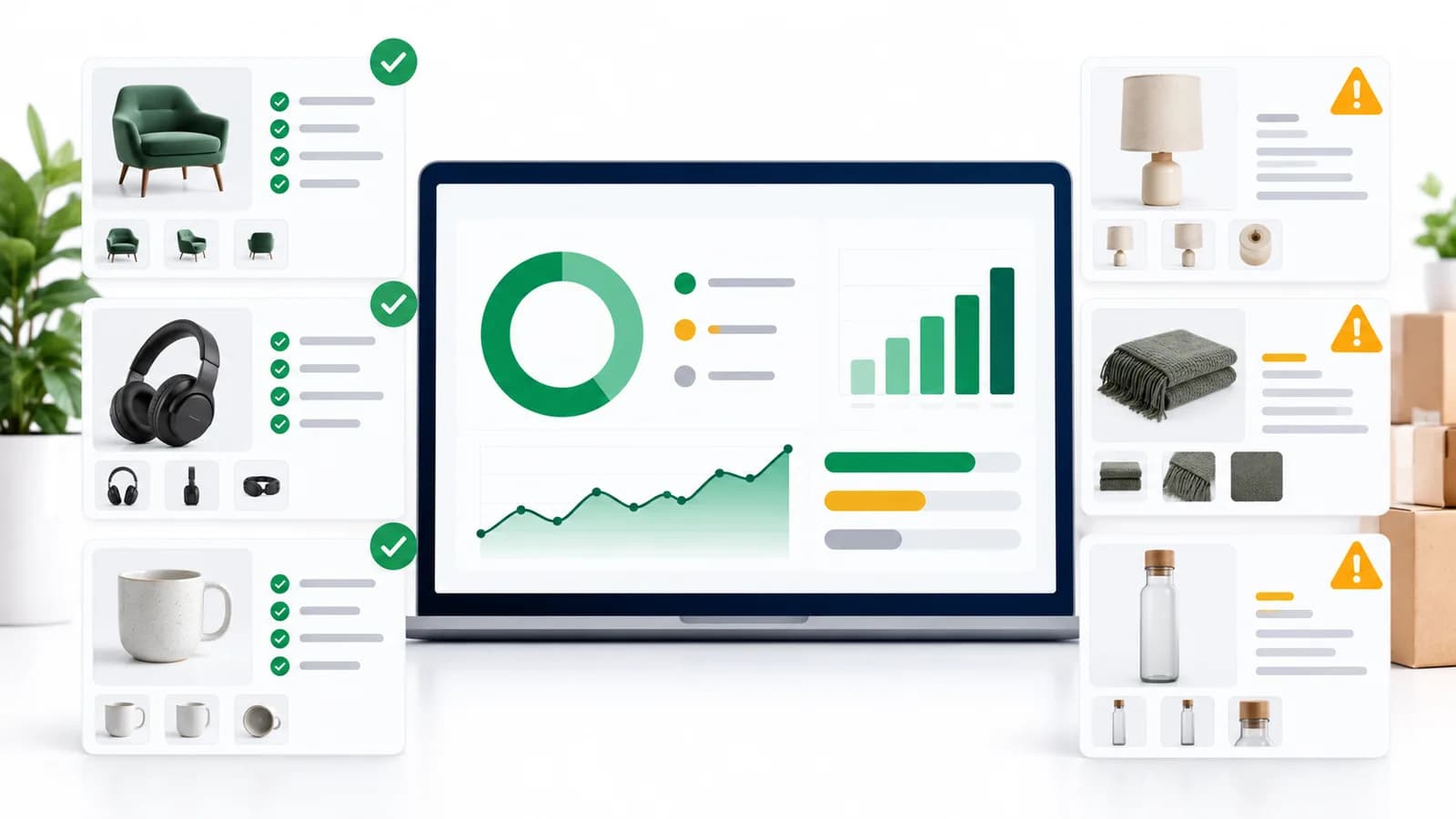
Most of the data a Digital Product Passport needs does not originate inside the company that publishes it. Material composition, substances of concern, recycled content and origin data start with suppliers, often several tiers back in the chain. Collecting that data reliably, with evidence, is usually the slowest part of a DPP programme, which is exactly why it should start before a product group’s delegated act is even finalised. This guide sets out what to ask for, how to structure the request, and how to validate what comes back.
Why this depends on the ESPR, not on guesswork
The Ecodesign for Sustainable Products Regulation (ESPR), Regulation (EU) 2024/1781, does not publish one fixed list of supplier data fields. Annex I sets the parameters that ecodesign requirements can cover, and each product group’s delegated act decides which of those parameters apply and how deep the evidence must go. The guide to Annex I parameters explains what each one means in data terms. Because the exact list is not finalised for most groups yet, the safest approach is to collect the data every likely delegated act will need, rather than wait and collect nothing.
The six data types suppliers are usually asked for
| Data type | What it covers | Typical evidence |
|---|---|---|
| Material composition | Fibre, alloy, polymer or chemical composition by weight or percentage | Mill or component certificate, bill of materials |
| Substances of concern | Presence, location and concentration of listed substances | Test report referencing the applicable substance list |
| Recycled content | Share of recycled material, by material and source | Chain-of-custody or recycled-content certificate |
| Origin and site data | Country and, where required, facility of manufacture | Manufacturer or site declaration |
| Durability and performance | Test method and result for expected lifetime or cycle count | Test report with method reference and date |
| Carbon and environmental data | Footprint value and the method used to calculate it | Life-cycle assessment or calculation methodology document |
Not every product needs every row. Match the list to your product group using the DPP Product Category Lookup , and map what you already hold with the DPP Data Field Mapper before writing a single supplier request.
Build one request, not five
Suppliers respond faster and more accurately to a single, well-defined request than to a stream of ad hoc emails from different internal teams. A working template needs:
- Field-by-field definitions. State the unit, format and controlled value list for every field, so “recycled content” is not answered as a sentence in one submission and a percentage in another.
- The evidence type accepted. Name the certificate, test report or declaration type that counts as proof, and what to do when a supplier cannot yet produce it.
- A stated purpose. Suppliers respond more completely when they understand the data supports a specific compliance programme, not an open-ended data request.
- A single submission channel. A portal or structured spreadsheet with validation beats free-form email for anything beyond a handful of suppliers.
Validate on the way in, not after publication
Catching a bad value at intake costs minutes. Catching it after a passport is published costs a correction, an explanation, and sometimes a legal review. Validate for:
- Format and unit. Percentages that do not sum correctly, weights in mixed units, dates in inconsistent formats.
- Controlled values. Material and substance names should come from a fixed list; free text almost always drifts across suppliers.
- Evidence presence and date. A value without its supporting document, or with an expired one, should be flagged, not accepted silently.
- Plausibility. A recycled-content figure of 100% or a lifetime claim far outside category norms deserves a second look before it enters the record.
Timelines and escalation
Agree response times, correction windows and change-notification duties in the supplier agreement, not as an informal expectation. When a supplier repeatedly misses a deadline or cannot produce required evidence, define in advance what happens: a formal correction request, a temporary hold on using that supplier’s data in a live passport, or an escalation to procurement. Handling this ad hoc, deal by deal, is the most common reason supplier data programmes stall after the first few months.
Where supplier data fits in the wider programme
Supplier evidence collection is one phase of a six-phase rollout, sitting after the data model is defined and before the passport is published. See the guide to building and auditing a DPP-ready data model for how supplier-sourced fields fit alongside internally-owned ones, and the 30-step ESPR compliance roadmap for the full sequence, tracked with the free ESPR Compliance Roadmap . For the wider legal picture across the ESPR, the Battery Regulation and related rules, see how the EU rules fit together .
Frequently asked questions
What data should I request from suppliers for a Digital Product Passport?
Material composition, substances of concern, recycled content, origin and site data, durability or performance test results, and environmental footprint data, each matched to your product group’s likely requirements.
Why does the exact list depend on the ESPR delegated acts?
Annex I of the ESPR sets the parameters ecodesign requirements can cover, but each product group’s delegated act decides which parameters apply and how deep the evidence must go, so the final list differs by product group and is not yet fixed for most groups.
How should I structure a supplier data request?
Use one template with field-by-field definitions, units and controlled value lists, name the evidence type accepted for each field, and provide a single structured submission channel rather than free-form email.
What should I validate when supplier data comes in?
Format and unit consistency, values against controlled lists, presence and date of supporting evidence, and plausibility against category norms, before the data enters a live product record.
What happens if a supplier cannot provide the data?
Define in advance what happens: a correction request with a deadline, a temporary hold on publishing that supplier’s data, or an escalation to procurement, set out in the supplier agreement rather than decided case by case.
How does supplier data fit into a wider DPP programme?
It is collected in parallel with data modelling, feeding the governed record before publication. It typically takes three to nine months and should start as early as possible, since it is usually the slowest phase of a DPP rollout.

Digital Product Passport data workflow connecting products, materials, suppliers and compliance